species is
US
・UK
A1
phr.PhraseRefers to the classification or identification of a particular type of organism.
This species is known for its unique adaptation to extreme environments.
phr.PhraseIndicates a defining trait or characteristic of a specific species.
Each species is characterized by a unique set of genetic traits.
phr.PhraseDenotes the current state or existence of a particular species.
The question of whether this species is endangered is a matter of ongoing debate.
Video subtitles
Reef Life of the Andaman (full marine biology documentary)
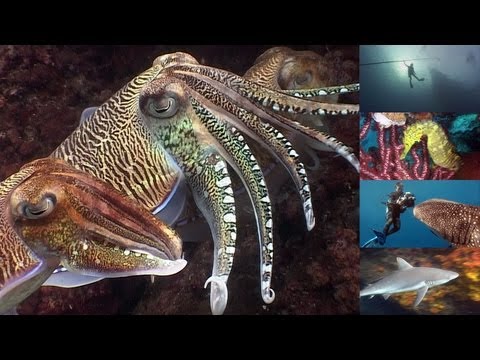
- Although often found alone, this species is at its most striking in numbers.
Although often found alone, this species is at its most striking in numbers.
- This larger species is a map puffer.
This larger species is a map puffer.
古人類学者だけど「原始人」について質問ある? | Tech Support | WIRED Japan

- @AndyDoodle56 asks, "Okay, paleoanthropology nerds, what species is the Geico caveman anyway?" Well, let's see.
@AndyDoodle56 asks, "Okay, paleoanthropology nerds, what species is the Geico caveman anyway?" Well, let's see.
- At andydoodle56 asks, okay, paleoanthropology nerds, what species is the Geico caveman anyway?
At andydoodle56 asks, okay, paleoanthropology nerds, what species is the Geico caveman anyway?
Life is Fun - Ft. Boyinaband (Official Music Video)

- James: Every species is beautiful and unique though!
Dave: Children have malaria thanks to mosquitoes...
James: Every species is beautiful and unique though! Dave: Children have malaria thanks to mosquitoes...
- Every species is beautiful and unique, though.
Every species is beautiful and unique, though.
The FOMO Is Real — But You Can Overcome It

- Our species is exceptionally social.
Our species is exceptionally social.
- Our species is exceptionally social, more so than any other primate species to our knowledge.
Our species is exceptionally social, more so than any other primate species to our knowledge.
10 Amazing Sea Slugs (with footage)
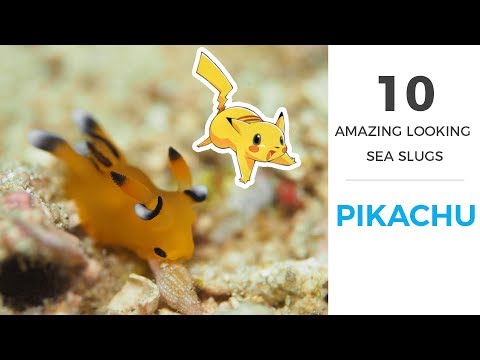
- Due to its black velvet colouring and electric blue lines, the species is often mistaken for the Phalaenopsis gardneri nudibranch, which is very similar in colour but somewhat different in shape.
Due to its black velvet colouring and electric blue lines, the species is often mistaken for the Phalaenopsis gardneri nudibranch, which is very similar in colour but somewhat different in shape.
- Due to its black velvet colouring and electric blue lines, the species is often mistaken for the Phyllinopsis gardenerii nudibranch, which is very similar in colour but somewhat different in shape.
Due to its black velvet colouring and electric blue lines, the species is often mistaken for the Phyllinopsis gardenerii nudibranch, which is very similar in colour but somewhat different in shape.
TED 中英雙語字幕: 無人機鳥瞰保育工作

- The reason we wanted to do that was because we needed to know how many individuals of this species is still left in that forest.
The reason we wanted to do that was because we needed to know how many individuals of this species is still left in that forest.
Everything you need to know about BIRD FLU

- We can't know for sure, but the fact that it's spread to so many different mammal species is only giving it more chances to evolve and adapt.
We can't know for sure, but the fact that it's spread to so many different mammal species is only giving it more chances to evolve and adapt.
- but the fact that it's spread to so many different mammal species is only giving it more chances to evolve and adapt.
but the fact that it's spread to so many different mammal species is only giving it more chances to evolve and adapt.
African Spirit - Trailer

- Most of them are birds but one of the endemic species is the Galeda baboon.
Most of them are birds but one of the endemic species is the Galeda baboon.
After Ever After 3 - DISNEY PARODY

- My species is going extinct.
My species is going extinct.
- Oh my species is going extinct
Oh my species is going extinct
Hobbits Were Real. Why Were They So Small?
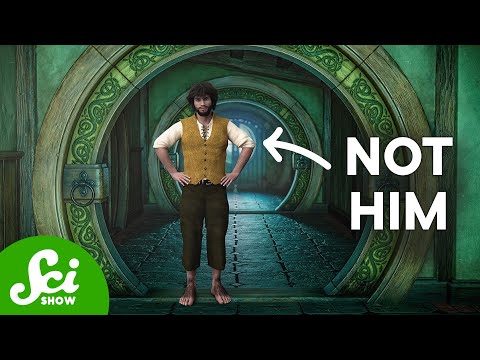
- This new species is called Homo luzonensis, and while we're pretty sure they were pretty tiny, we can't say for sure exactly what size they were because of how fragmented the specimens are.
This new species is called Homo luzonensis, and while we're pretty sure they were pretty tiny, we can't say for sure exactly what size they were because of how fragmented the specimens are.
- This new species is called Homo luzonensis,
This new species is called Homo luzonensis,